Smoked tea

Its membership in the classic tea family does not prevent smoked tea from cultivating a certain originality. More than a "simple" black tea, it is defined by characteristic dominant notes and a unique tasting experience. Through the catalog of our Tea House, discover our different loose smoked teas , refined vintages to consume and to offer to lovers of authenticity.

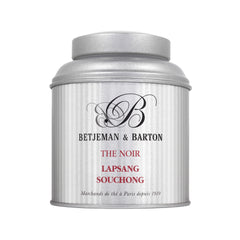
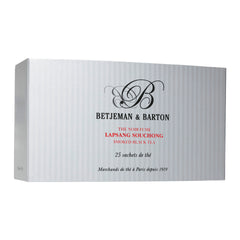
Black tea Lapsang Souchong

China tea with medium smoky notes

Regular price From 7,90 €
Sale price From 7,90 € Regular price 7,90 €
Unit price  per 

Black tea White Tips

Smoked Chinese tea with white tips

Regular price From 8,60 €
Sale price From 8,60 € Regular price 8,60 €
Unit price  per 

Black tea Tarry Souchong

Very smoky China tea

Regular price From 8,60 €
Sale price From 8,60 € Regular price 8,60 €
Unit price  per 
Accessoires

Accessoires

Découvrir

Black tea Imperial Gold O.P

Lightly smoked Chinese tea

Regular price From 9,50 €
Sale price From 9,50 € Regular price 9,50 €
Unit price  per 

Dynastea

Black tea flavored with bergamot, lightly smoky

Regular price From 8,80 €
Sale price From 8,80 € Regular price 8,80 €
Unit price  per 

Smoked tea

Smoked tea, a unique black tea with pleasantly woody notes

Smoked tea is the result of a happy accident.

In the 1820s, in the heart of China's Fujian province, tea planters deprived of their drying room chose to place their wet tea leaves over a fire of spruce roots to dry them. The dried leaves then released a smoky aroma that managed to seduce a foreign merchant. This atypical black tea then enjoyed great success on the European continent, becoming the drink of choice for a large number of connoisseurs around the world.

It is now part of the tea ranges offered by the biggest brands.

The process of making smoked teais indeed similar to that of black tea. Only smoking or drying over a wood fire, which takes place after the withering and rolling stages and before the oxidation, drying and sorting stages of the tea leaves, allows smoked tea to be distinguished from other black teas. The result is an infusion with a pronounced aroma, with slightly or intensely smoky flavors depending on the vintages and blends.

As comforting as a log fire in the middle of winter or a walk in the forest under the first rays of sunshine of the year, smoked tea is undoubtedly your best ally on gray days. Because it is relatively low in theine, consume it as soon as you feel the urge for a cup of tea with soothing properties.

Enjoy our exceptional smoked teas from sunrise to sunset

At Betjeman & Barton,smoked tea accompanies you throughout the day, including at mealtimes. Infuse it in water at 90°C for 2 to 5 minutes on average, to fully enjoy its decidedly original flavors.

Start your tasting with ourChinese black tea "Tarry Souchong"with intense woody notes, to be served on the breakfast table during the week or for brunch on the weekend. Continue at lunchtime with a great classic of Chinese smoked teas, the“Lapsang Souchong”, the first black tea from China, preferably reserved for accompanying savory meals.

For tea time, try ourblend of delicately smoked Chinese black teas. Dotted with white tips, it combines sweetness and character brilliantly, for a perfectly balanced infusion on the palate. Complete your taste journey withour “Imperial Gold OP” black teawith subtle smoky notes. Its jasmine flowers promise you a delicious sensory experience from morning to night. To vary the pleasures, also opt for our smoked tea"Lapsang Crocodile".

Thé fumé : les questions fréquentes

1. Quel thé fumé choisir quand on débute : le plus doux ou le plus intense ?

Pour une première approche, préférez un fumé tout en subtilité comme notre Impérial Or, aux notes délicates. Les amateurs de caractère iront vers le Lapsang Souchong, puis vers le Tarry Souchong, le plus intense de nos fumés.

2. Quelle différence entre le Lapsang Souchong et le Tarry Souchong ?

Deux thés noirs de Chine fumés au bois, d'intensité différente : le Lapsang Souchong offre un fumé équilibré, tandis que le Tarry Souchong pousse le caractère boisé et fumé à son sommet.

3. Quel thé fumé pour accompagner un repas salé ou un plat de fête ?

Le Lapsang Souchong est le compagnon idéal des mets salés : viandes grillées, poissons, fromages affinés. Son caractère boisé sublime une table de fête et s'invite volontiers au brunch.

4. Vos thés fumés sont-ils fumés naturellement au bois ou aromatisés artificiellement ?

Nos thés fumés sont élaborés selon la méthode traditionnelle : les feuilles sont séchées au-dessus d'un feu de bois qui leur confère leur arôme si caractéristique.

5. Le thé fumé contient-il beaucoup de théine ? Peut-on en boire le soir ?

Comme tous les thés noirs, le thé fumé apporte une tasse plutôt théinée, à réserver de préférence au matin et à la journée. Son caractère prononcé le destine d'ailleurs volontiers aux repas. Pour le soir, mieux vaut une infusion sans théine.

6. Peut-on cuisiner avec du thé fumé (marinades, bouillons, riz parfumé) ?

Volontiers. Quelques feuilles parfument marinades, bouillons ou eau de cuisson du riz d'une délicate note boisée. Le thé fumé s'invite ainsi en cuisine comme un véritable ingrédient.

7. Le thé fumé se marie-t-il avec le fromage ou un whisky tourbé ?

Parfaitement. Son profil fumé fait écho aux whiskies tourbés et s'accorde superbement avec un fromage affiné ou un chocolat corsé, pour de belles associations.

8. Comment conserver un thé fumé pour préserver son arôme ?

Comme les autres thés noirs, le thé fumé se conserve plusieurs années. Gardez-le dans sa boîte hermétique, à l'écart de vos autres thés dont il pourrait masquer les arômes.